Pool Heat Pumps
Understanding Pool Heat Pumps and Their Benefits
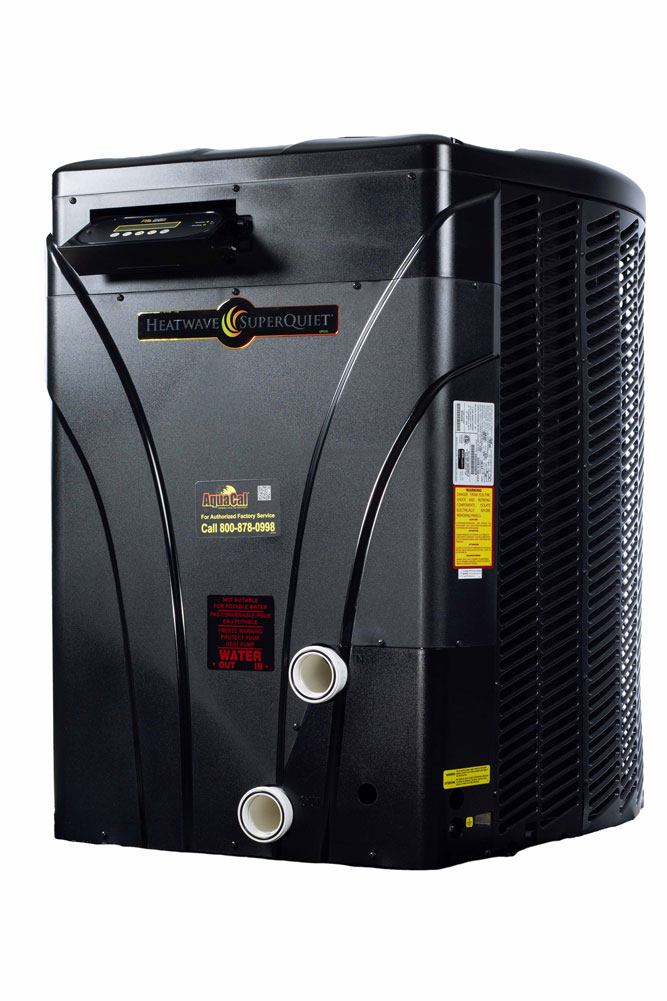
Pool heat pumps represent one of the most efficient and cost-effective methods for maintaining comfortable swimming temperatures throughout the extended swimming season. Unlike traditional gas heaters that generate heat through combustion, pool heat pumps operate by extracting ambient heat from the surrounding air and transferring it to your pool water through a sophisticated refrigeration cycle. This technology allows pool owners to enjoy their investment for many more months of the year while keeping energy costs manageable.
The efficiency of pool heat pumps is measured by their Coefficient of Performance (COP), which typically ranges from 5.0 to 7.0. This means that for every unit of electricity consumed, the heat pump produces five to seven units of heat energy. When you compare this to gas heaters that operate at approximately 82-95% efficiency, or electric resistance heaters at 100% efficiency, the advantage becomes clear. Pool heat pumps can deliver 500% to 700% efficiency, making them the smart choice for environmentally conscious pool owners who want to reduce their carbon footprint while enjoying warm pool water.
How Pool Heat Pump Technology Works
The operation of a pool heat pump involves several key components working in harmony to transfer heat efficiently. The process begins when pool water passes through the pump’s titanium heat exchanger, which is specifically designed to withstand the corrosive effects of chlorinated or salt water. Meanwhile, a fan draws ambient air across the evaporator coil containing liquid refrigerant. Even when air temperatures feel cool, there’s still heat energy present that the refrigerant can absorb, causing it to evaporate into a gas.
This warm refrigerant gas then travels through a compressor, which increases both its temperature and pressure significantly. The superheated gas passes through the condenser, where it transfers its heat to the pool water flowing through the heat exchanger. As the refrigerant releases its heat, it condenses back into a liquid state and returns to the evaporator to begin the cycle again. This continuous process can maintain your pool at your desired temperature as long as the ambient air temperature remains above 50°F, though some advanced models can operate effectively in temperatures as low as 40°F.
Selecting the Right Size Heat Pump
Proper sizing is crucial for optimal performance and efficiency of your pool heat pump system. At Mannix Heating and Cooling, we calculate the appropriate heat pump size based on several factors including pool surface area, desired temperature rise, average wind exposure, humidity levels, and nighttime temperature drops. The BTU output required typically ranges from 50,000 BTUs for smaller pools to over 140,000 BTUs for larger installations.
- Pool surface area: Larger pools require more heating capacity due to increased heat loss through evaporation
- Temperature rise needed: The difference between desired pool temperature and average ambient temperature
- Environmental factors: Wind exposure, shade coverage, and use of solar covers all impact heating requirements
- Usage patterns: Frequency of use and whether you maintain constant temperature or heat on demand
Installation and Maintenance Considerations
Professional installation ensures your pool heat pump operates at peak efficiency while maximizing its lifespan. The unit should be positioned on a level concrete pad with adequate clearance for airflow on all sides. Electrical requirements typically include a dedicated circuit with appropriate amperage based on the unit’s specifications. The plumbing configuration must allow for proper water flow rates, usually between 30-70 gallons per minute depending on the heat pump size.
Regular maintenance keeps your pool heat pump running efficiently for its expected 10-15 year lifespan. If a problem occurs with your heating or cooling system, don’t panic, call Mannix! They have an outstanding reputation for customer service and have some of the most experienced techs in the industry. Just look them up on Angie’s List or read what others are saying about them on Google or Yelp. Annual service includes cleaning the evaporator coil, checking refrigerant levels, inspecting electrical connections, and verifying proper water flow through the system.
Maximizing Energy Efficiency and Cost Savings
Pool heat pumps offer exceptional long-term value despite higher initial investment compared to gas heaters. Operating costs typically run 50-75% less than propane heaters and 30-50% less than natural gas heaters. Using a solar cover when the pool isn’t in use can reduce heat loss by up to 70%, further improving efficiency. Smart controls and programmable timers allow you to optimize heating schedules based on your usage patterns, avoiding unnecessary energy consumption during peak rate periods. Throughout Gaithersburg, MD, Chantilly, VA, Treasure Island, FL and their surrounding areas, pool owners are discovering that heat pumps provide the perfect balance of comfort, efficiency, and environmental responsibility for their swimming pool heating needs.



We are an AquaCal, Raypak, and Medallion authorized service provider!


Contact Mannix Heating and Cooling today!
Keeping you and your family comfortable all year long.