Tampa, FL
Comprehensive HVAC Solutions for Tampa’s Unique Climate Challenges
Tampa’s subtropical climate presents distinct heating and cooling challenges that require specialized expertise and tailored solutions.
With hot, humid summers lasting from May through October and mild winters that still demand reliable heating systems, maintaining optimal indoor comfort requires understanding the specific environmental factors affecting HVAC performance in the Tampa Bay area. Our team at Mannix Heating and Coolinghas developed comprehensive strategies to address these regional climate considerations, ensuring your systems operate efficiently throughout the year.
The combination of high humidity levels averaging 74% annually and temperatures regularly exceeding 90 degrees Fahrenheit during summer months places extraordinary demands on cooling systems. Salt air from Tampa Bay adds another layer of complexity, as it can accelerate corrosion in outdoor units and affect system longevity. We’ve adapted our maintenance protocols and equipment recommendations specifically for these coastal conditions, implementing protective coatings and specialized filters that extend equipment life while maintaining peak performance.
Energy Efficiency Strategies for Tampa Homeowners
Energy consumption for cooling represents approximately 70% of residential electricity usage in Tampa during peak summer months, making efficiency improvements essential for managing utility costs. Modern high-efficiency systems can reduce cooling expenses by 30-50% compared to units installed just ten years ago. We specialize in analyzing your home’s specific cooling load requirements, considering factors like square footage, insulation quality, window placement, and occupancy patterns to determine the optimal system capacity and configuration.
Variable-speed technology has revolutionized comfort control in Tampa homes, allowing systems to adjust output based on real-time cooling demands rather than operating at full capacity continuously. These advanced systems maintain more consistent temperatures while reducing humidity levels more effectively than traditional single-stage units. The enhanced dehumidification capabilities prove particularly valuable during Tampa’s rainy season from June through September, when outdoor humidity levels frequently exceed 90%.
Critical Maintenance Requirements in Tampa’s Environment
The demanding operating conditions in Tampa necessitate more frequent maintenance than in moderate climates. Air filters require monthly inspection and replacement every 30-60 days due to increased runtime and higher particulate levels from construction, pollen, and coastal elements. Condensate drain lines need regular cleaning to prevent algae growth that thrives in our warm, humid conditions and can cause water damage if blockages occur.
- Coil cleaning: Evaporator and condenser coils accumulate debris faster in Tampa’s environment, requiring professional cleaning twice yearly
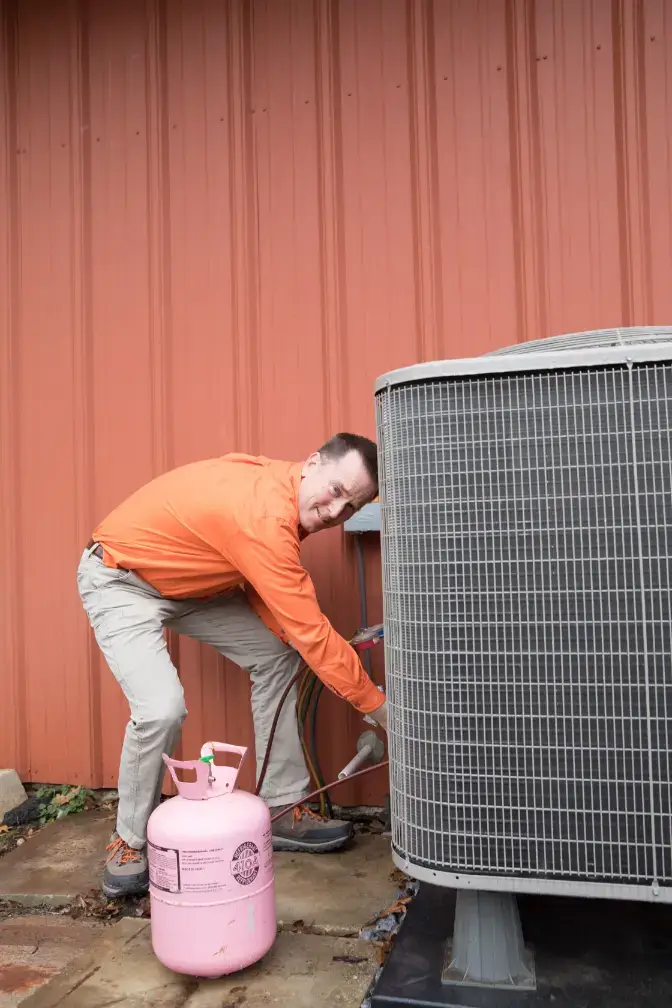
- Refrigerant level checks: High operating hours increase the likelihood of gradual refrigerant loss through microscopic leaks
- Electrical component inspection: Heat and humidity accelerate wear on capacitors, contactors, and wiring connections
- Ductwork evaluation: Temperature differentials and humidity can cause duct degradation and air leakage
Indoor Air Quality Considerations for Tampa Residents
Tampa’s outdoor air quality fluctuates significantly due to various factors including seasonal pollen, proximity to major highways, and occasional smoke from prescribed burns or wildfires. Installing advanced filtration systems helps protect your family’s health while maintaining HVAC system efficiency. HEPA filtration, UV light purification, and whole-house dehumidification systems work together to create healthier indoor environments.
If a problem occurs with your heating or cooling system, don’t panic, call Mannix! They have an outstanding reputation for customer service and have some of the most experienced techs in the industry. Just look them up on Angie’s List or read what others are saying about them on Google or Yelp. Our technicians understand the urgency of HVAC failures in Tampa’s climate and respond quickly to restore comfort.
Hurricane Preparedness and System Protection
Tampa’s location makes hurricane preparedness essential for protecting HVAC investments. We recommend installing hurricane straps or brackets to secure outdoor units, elevating equipment above potential flood levels, and implementing surge protection devices. Post-storm inspection protocols include checking for debris infiltration, verifying electrical connections, and testing system operation before resuming normal use.
Planning for power outages includes considering generator compatibility for essential cooling during extended outages. We help homeowners understand their system’s power requirements and can install transfer switches that enable seamless generator connection when needed. These preparations prove invaluable during Tampa’s June through November hurricane season, ensuring quick recovery after severe weather events while protecting expensive HVAC equipment from preventable damage that could void manufacturer warranties or require complete system replacement.


Contact Mannix Heating and Cooling today!
Keeping you and your family comfortable all year long.